Made responsibly. Exported globally.
Sustainability is not a marketing program at PT Biomassa Nusantara — it is the operating logic of our Indonesian plantation, production, and export supply chain. Every tonne is engineered to reduce net emissions for the buyer and for Indonesia.
Sustainability as an operating system.
Certified Indonesian Plantations
Acacia, sengon and rubberwood from SVLK- and PEFC-certified plantations across Sumatra and Kalimantan.
Sustainable Raw Materials
Prioritizing plantation timber, rubberwood residues, and sawmill by-products over primary forest sourcing.
Renewable Biomass
Fast-growing Indonesian species regenerate on 5 – 7 year cycles, replacing finite fossil extraction.
Carbon Footprint Reduction
Displacing coal and heavy oil at industrial scale delivers immediate Scope 1 emission cuts for our buyers.
Circular Economy
Wood residues from Indonesian sawmills and furniture makers return as high-value energy feedstock.
Waste Utilization
Zero landfill outcomes across our facilities — every byproduct is engineered into a downstream product.
Zero Waste Manufacturing
Production lines operate as closed systems, capturing dust, heat, and off-cuts back into feedstock.
Forest Conservation
Replanting on every harvested hectare, protected biodiversity corridors on all managed concessions.
Energy Efficient Drying
Biomass-fired drying uses our own residues, reducing embodied energy per delivered tonne.
Green Manufacturing
Facilities operate under ISO 14001 with continuous emissions monitoring and public reporting.
Community Investment
Indonesian employment, in-house training programs, and community development across all four operating regions.
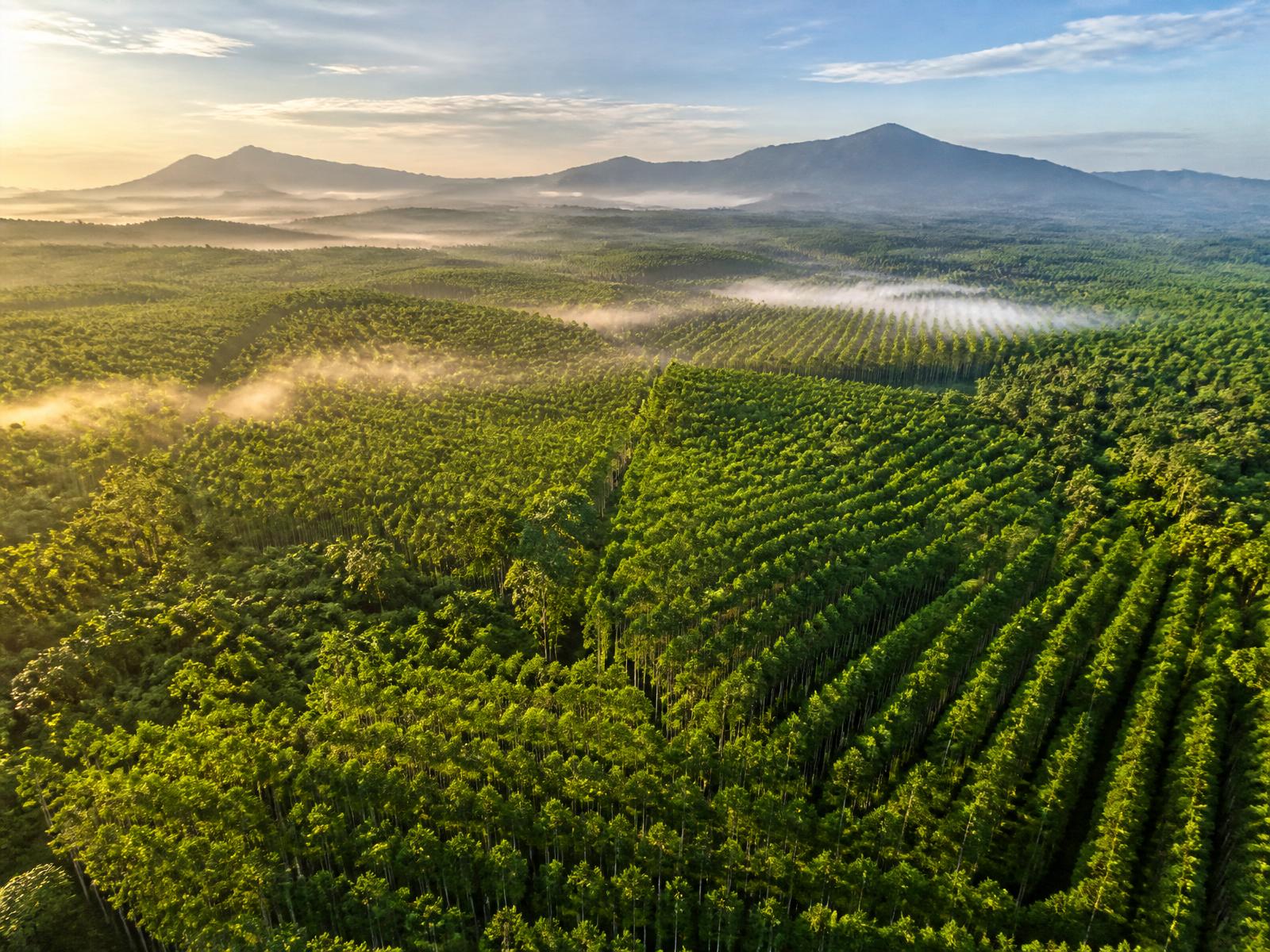
Fast-growing Indonesian species, managed for the long horizon.
Our acacia, sengon and rubberwood plantations across Sumatra and Kalimantan operate on 5 – 7 year rotation cycles, with active replanting and protected biodiversity corridors on every concession.
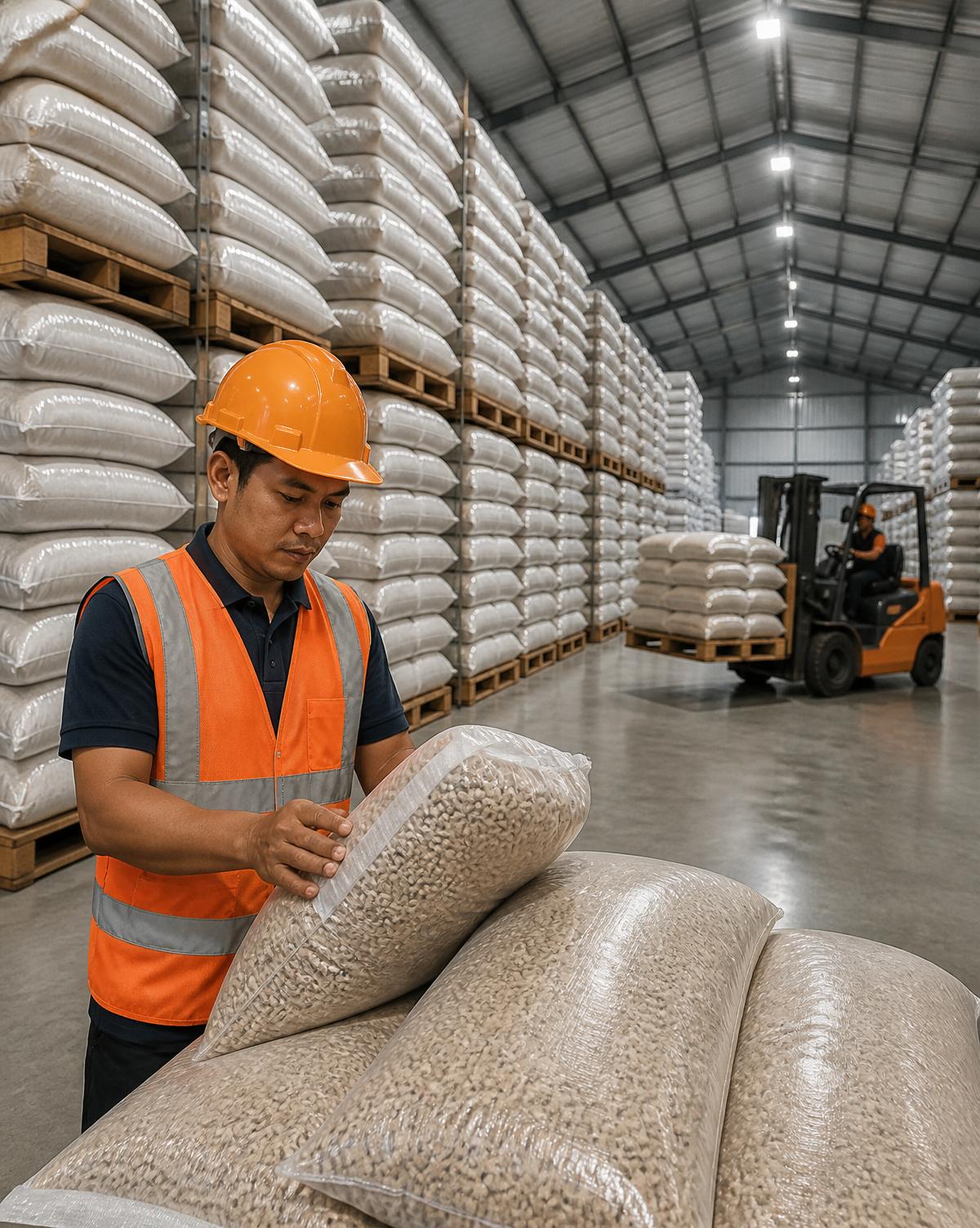
Indonesian workers. International standards.
Every shipment is inspected in-house, verified by SGS or Sucofindo, and dispatched by trained Indonesian teams operating under ISO 9001 and 45001.
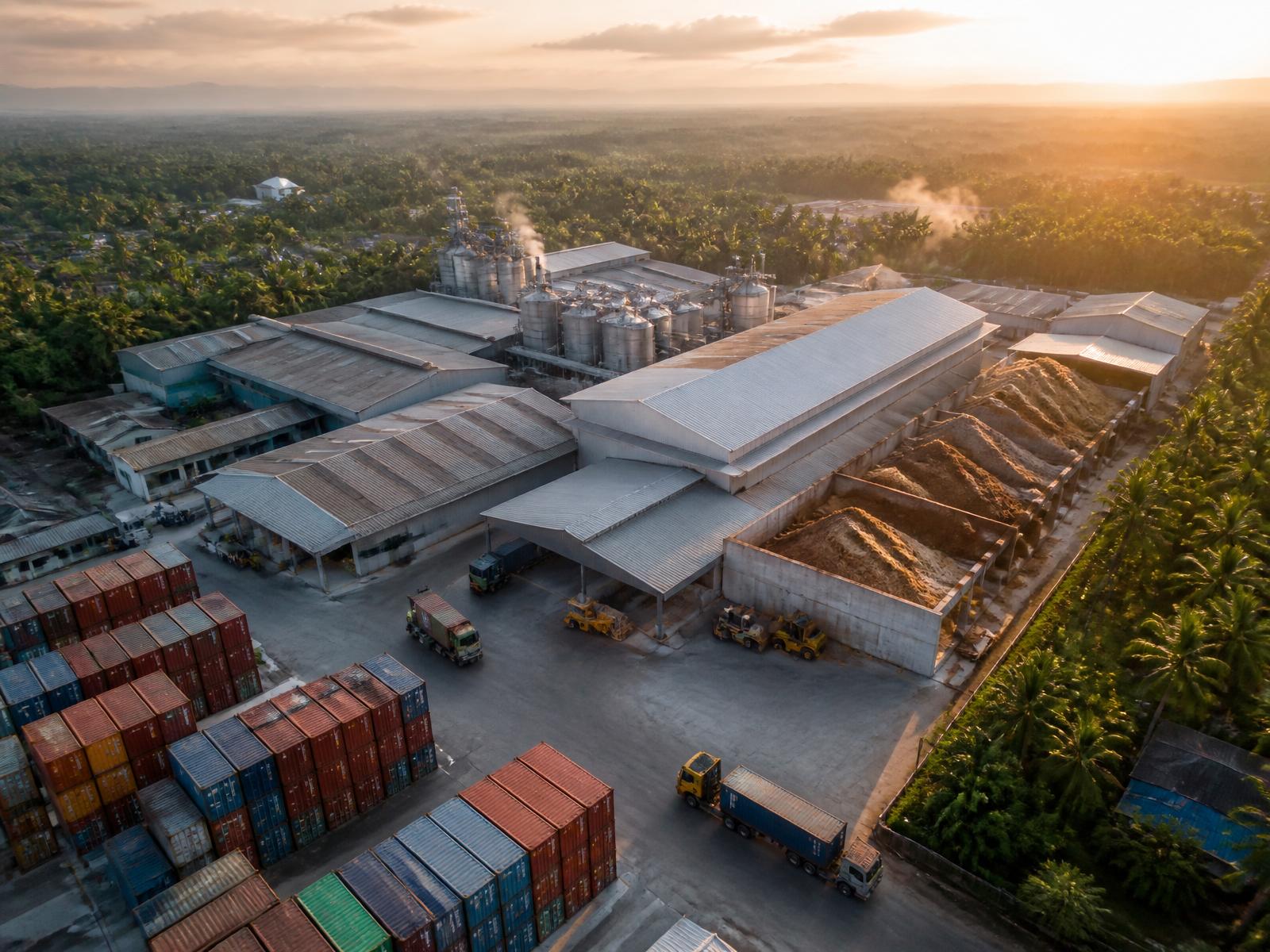
Our own residues fuel our own drying.
Biomass-fired drying, heat recovery and closed-loop dust extraction reduce our embodied energy per delivered tonne — a fully Indonesian closed system.